
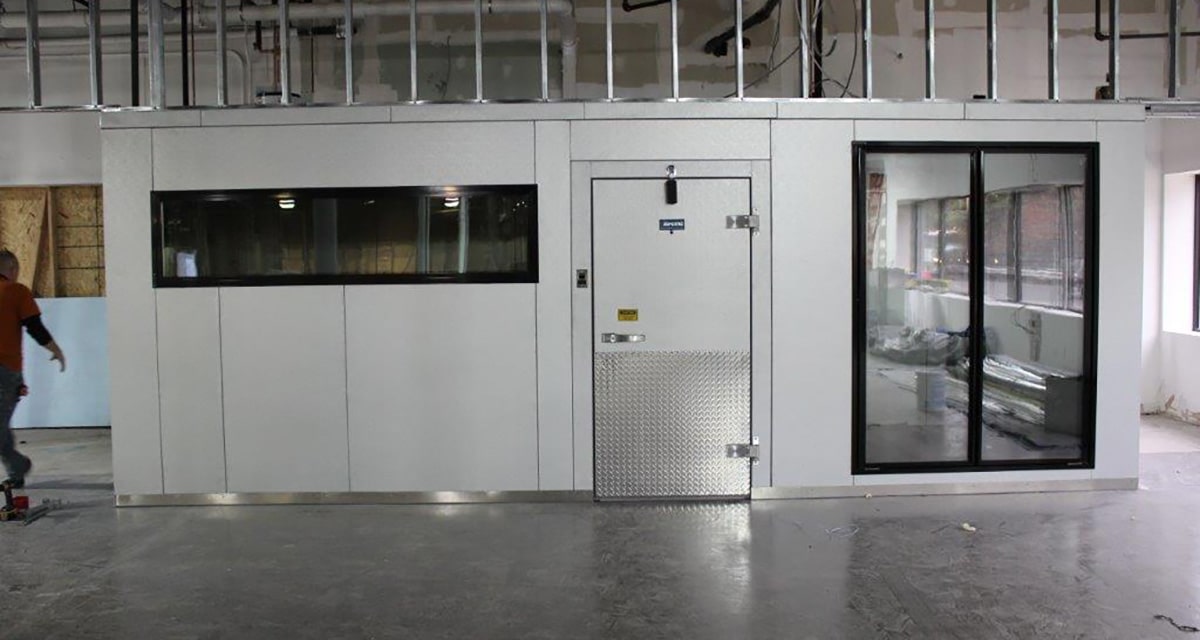
Buying commercial refrigeration is a major decision for any facility that depends on safe, reliable cold storage.
A commercial walk-in cooler affects more than product capacity. It can shape delivery flow, staff access, inventory organization, service speed, production schedules, and long-term operating costs.
Many buyers begin with two questions: how big does the cooler need to be, and how much will it cost? Those questions matter, but they do not tell the full story. The better starting point is how the facility will use the cooler every day.
This guide explains what to consider before choosing a walk-in cooler, comparing quotes, or finalizing a configuration.
Start With What the Walk-In Cooler Needs To Support
A walk-in cooler should be planned around the operation it serves.
A restaurant, school kitchen, floral shop, farm, warehouse, and food processing facility may all need cold storage, but each uses it differently. Some facilities need quick access during service. Others need bulk storage, pallet movement, product staging, or room for seasonal volume.
Before narrowing dimensions, answer a few practical questions:
- What products will be stored?
- How much product must be stored during peak periods?
- How often will inventory move in and out?
- Is this a replacement, expansion, new build, or emergency purchase?
- What problems does the current refrigeration setup create?
These answers help define what the walk-in cooler needs to do. Size matters, but daily use should guide the buying process.
Walk-In Cooler vs. Walk-In Freezer: Know the Difference
A walk-in cooler is used for refrigerated products. A walk-in freezer is used for frozen products. Some facilities only need one or the other. Others need both.
A walk-in cooler may be used for produce, dairy, beverages, prepared foods, flowers, ingredients, or other items that need refrigerated storage. A walk-in freezer may support frozen food inventory, bulk storage, long-term product holding, or frozen ingredients.
The decision should start with product requirements. What temperature range does each product need? How long will it be stored? How often will staff need access?
Facilities with both refrigerated and frozen inventory may need separate cooler and freezer spaces. That is common in food service, schools, commissaries, and other operations with varied storage needs.
Before comparing commercial refrigeration options, make sure the temperature requirement is clear.
Define Cold Storage Capacity Around Peak Use
Average daily storage is not enough for planning.
A cooler that works on a slow day may feel crowded during bulk deliveries, seasonal demand, menu changes, harvest periods, or production peaks. Facilities should plan around the busiest storage periods, not the easiest week of the year.
Usable capacity also differs from total interior space. Shelving, racks, carts, pallets, aisle clearance, airflow, and staff access all reduce the amount of open storage inside the cooler.
What affects usable walk-in cooler capacity?
Key factors include:
- Product type
- Packaging size
- Case, cart, rack, or pallet use
- Shelving layout
- Aisle space
- Delivery frequency
- Product rotation
- Staff access during busy periods
A commercial walk-in cooler should hold the required product while still giving staff room to move, organize inventory, and access items safely.
Assess the Installation Space and Site Conditions
The best cooler size on paper may not work in the available space.
Commercial facilities often have fixed layouts, older buildings, limited receiving areas, tight back-of-house space, or installation paths that affect the project. The site can influence cooler size, door placement, indoor or outdoor placement, utility needs, and delivery access.
Start by identifying where the cooler can realistically go. Consider how close it should be to receiving, prep, production, serving, dry storage, or loading areas. A poor location can add extra steps to daily work and make cold storage harder to manage.
Facilities, maintenance, or project teams should be involved in commercial refrigeration projects early. They can help review access paths, ceiling height, exterior walls, electrical needs, building constraints, and installation requirements.
The best location supports the building, the product, and the people using the cooler.
Select the Right Walk-In Cooler Configuration
Configuration affects how a walk-in cooler performs each day. Buyers should evaluate more than length, width, and height.
Size and Layout
Start with peak storage needs, then review usable space. Aisle clearance, shelving, carts, racks, and staff movement all affect how much product the cooler can hold.
If the cooler must fit an existing footprint, accurate measurements are especially important. The unit needs to fit the space without making access or inventory organization difficult.
Door Placement and Access
Door placement can affect delivery flow, staff movement, and daily efficiency.
Consider where products enter the facility, how staff access stored items, and whether carts, racks, or pallets need to move in and out. High-traffic operations may need wider access, specific door placement, or a layout that reduces congestion during busy periods.
Flooring and Interior Use
Flooring needs may depend on how the cooler will be used. Carts, racks, pallet jacks, cleaning routines, and product movement can all affect what the facility should consider.
The goal is to choose a commercial refrigeration setup that supports daily use without creating avoidable wear, access problems, or workflow issues.
Shelving and Organization
Shelving can have a major effect on inventory visibility and product rotation.
Frequently used items should be easy to reach. Bulk products may need deeper storage. Products with rotation requirements should be organized so staff can access older inventory without moving half the cooler.
Good organization helps staff work faster and reduces frustration during busy periods.
Indoor vs. Outdoor Placement
Indoor placement may offer easier access from prep, production, or service areas. Outdoor placement may make sense when interior space is limited or when the cooler needs to connect with receiving or exterior traffic flow.
The better option depends on the site, access needs, building layout, and how the facility uses cold storage each day.
Know When To Consider Custom Refrigeration
A standard walk-in cooler can be the right fit for many commercial refrigeration facilities. Custom refrigeration may be worth considering when the space, product, or workflow calls for a more specific configuration.
Custom may make sense when the facility has unusual dimensions, limited access, heavy product movement, multiple entry points, high-volume storage, or future expansion plans. It may also help when the cooler needs to fit into a larger facility plan or support specialized product requirements.
Custom does not have to mean excessive complexity. In many cases, it means adjusting proven components so the finished cooler fits the operation more closely.
Consider Reliability, Service, and Long-Term Value
A commercial refrigeration purchase should account for long-term use, not only the first quote.
Cold storage often supports daily operations. When a walk-in cooler is unreliable, the impact can reach inventory, production, food service, staff schedules, and customer commitments.
Facilities and operations leaders may also need to consider lifecycle cost, warranty coverage, service access, lead time, and confidence in the equipment. A lower initial price may not be the better value if the cooler is poorly matched to the application or difficult to maintain.
The best buying decision balances fit, reliability, serviceability, and long-term operating confidence.
Involve the Right Stakeholders Before You Request Quotes
When it comes to commercial refrigeration, decisions often involve more than one person. Each stakeholder may see a different part of the risk.
| Stakeholder | What they help evaluate |
| Operations / facility leader | Daily use, reliability, long-term needs |
| Food service / production team | Storage volume, workflow, product handling |
| Purchasing / finance | Budget, bid process, quote comparison |
| Facilities / maintenance | Space, utilities, access, installation feasibility |
| Dealer / distributor | Package fit, quote details, coordination |
| Consultant / architect / contractor | Specs, layout, project requirements |
| Executive / owner | Business impact, timing, total value |
Early input helps prevent delays, quote confusion, and decisions that solve one problem while creating another.
Compare Quotes by Scope, Not Price Alone
Commercial refrigeration quotes may not include the same assumptions.
One quote may include different components, lead times, freight terms, warranty details, support, or installation assumptions than another. Two options may look similar at first but differ in ways that affect final cost and long-term value.
Before comparing price, review what each quote includes.
Key details to compare include:
- Cooler size and usable capacity
- Indoor or outdoor configuration
- Door type and placement
- Panel and floor considerations
- Refrigeration requirements
- Shelving or interior organization
- Lead time
- Freight assumptions
- Warranty and support
- Installation assumptions
- Customization needs
- Vendor experience in the application
A clear scope helps commercial facilities compare total value, not only the lowest number.
Common Walk-In Cooler Buying Mistakes To Avoid
Many cold storage issues begin with rushed planning or incomplete scope.
Common mistakes include:
- Choosing based on square footage alone
- Planning for average storage instead of peak use
- Waiting too long to involve facilities
- Overlooking delivery and installation access
- Ignoring staff workflow
- Treating cooler placement as an afterthought
- Comparing quotes without confirming what is included
- Assuming a standard configuration will always fit
- Assuming custom refrigeration is always necessary
- Waiting for equipment failure before planning a replacement
- Overlooking long-term service and support
A stronger buying process gives the facility time to define the need, align stakeholders, and compare options with confidence.
Walk-In Cooler Buyer’s Checklist
Use this checklist before requesting final quotes for a commercial walk-in cooler.
- Define the products that need cold storage.
- Confirm target temperature needs.
- Estimate peak storage volume.
- Review delivery frequency and product flow.
- Identify indoor or outdoor placement.
- Measure the available space.
- Review access paths for delivery and installation.
- Think through staff workflow.
- Determine door, shelving, rack, cart, or pallet needs.
- Involve facilities or maintenance early.
- Identify purchasing and approval stakeholders.
- Decide whether a standard or custom configuration may be needed.
- Gather photos, measurements, and project timeline details.
- Ask vendors what is included in each quote.
- Compare options by fit, reliability, support, lead time, and total value.
This checklist can help teams move from a general cold storage need to a clearer walk-in cooler scope.
How Arctic Helps Commercial Facilities Choose the Right Walk-In Cooler
Arctic helps commercial facilities turn cold storage requirements into a clearer walk-in cooler plan.
That conversation may include product type, storage capacity, layout, placement, door access, indoor or outdoor configuration, refrigeration requirements, and long-term use.
For buyers still defining the project, Arctic can help clarify the right next step. For teams with a defined scope, Arctic can help move the project closer to a quote.
Ready to compare commercial refrigeration options? Request a quote today for your walk-in cooler project.
Walk-In Cooler Buyer FAQs
What size walk-in cooler do I need?
Walk-in cooler size depends on product type, storage volume, delivery frequency, shelving, aisle space, staff access, and peak demand. Plan around the busiest storage periods.
What should I consider before buying a commercial walk-in cooler?
Consider product requirements, temperature needs, usable capacity, installation space, door placement, indoor or outdoor location, workflow, quote scope, and long-term support.
What is the difference between a walk-in cooler and a walk-in freezer?
A walk-in cooler is used for refrigerated storage. A walk-in freezer is used for frozen storage. Some facilities need both, depending on the products they store.
Should my walk-in cooler be installed indoors or outdoors?
The right placement depends on available space, delivery access, facility layout, daily workflow, and site conditions. A specialist can help compare options.
When should I consider a custom walk-in cooler?
Consider a custom walk-in cooler when standard dimensions, door placement, access, or layout do not fit the facility’s space, products, or workflow.
How should I compare walk-in cooler quotes?
Compare more than price. Review size, usable capacity, configuration, included components, lead time, freight, warranty, support, installation assumptions, and application fit.