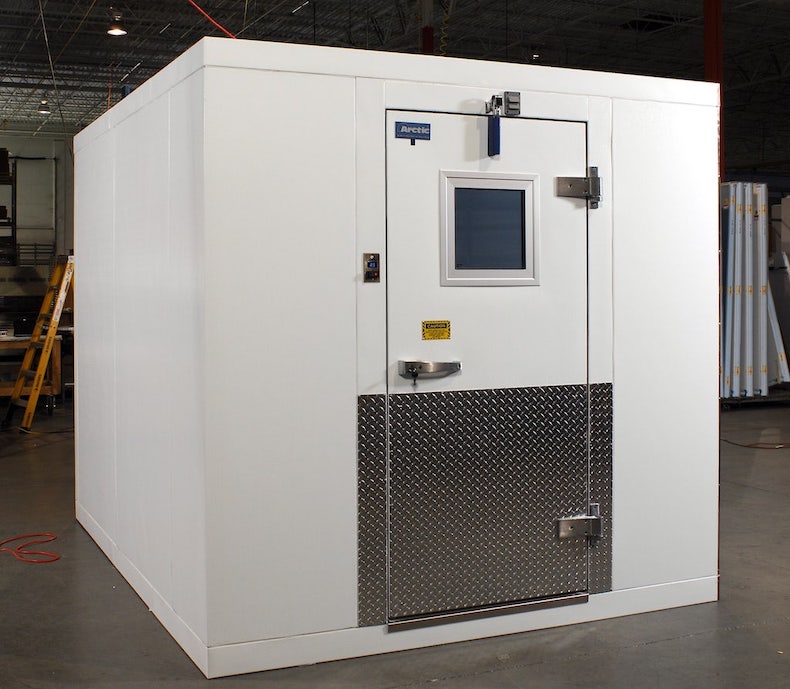
The True Cost of Cold: Calculate Walk-In Operating Costs and Maximize ROI

Every walk-in cooler and freezer has an operating cost. But most business owners only see part of the picture. The monthly electric bill is obvious. What’s less visible are the hidden expenses that quietly drain profit: inefficient equipment, poor insulation, premature failures, and product loss. These costs compound over time, and in many cases, they far exceed the initial purchase …

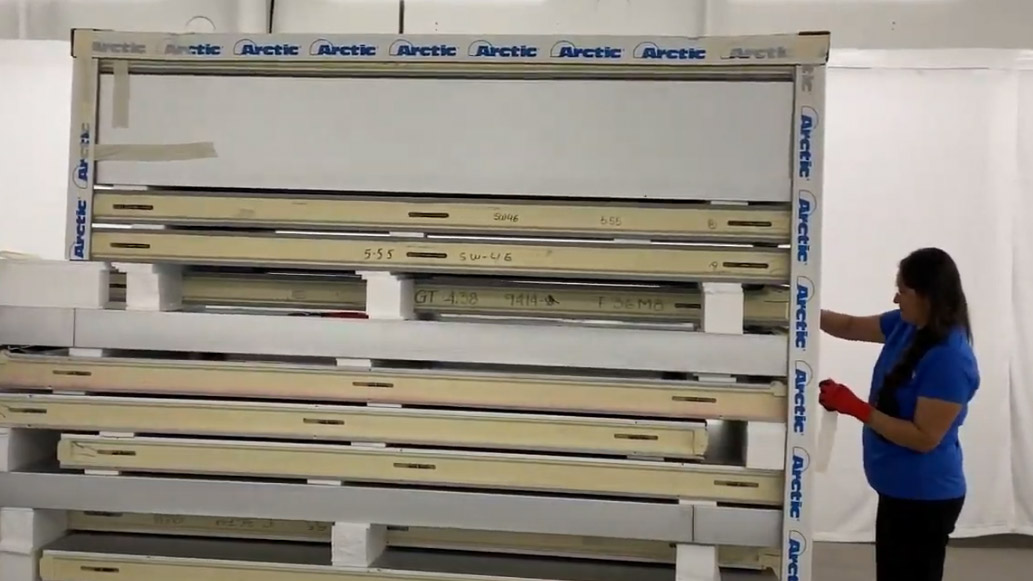
panels

Why Panel Quality Is the Foundation of Walk-In Performance

When people think about walk-in coolers and freezers, they usually focus on the refrigeration system. It’s understandable since you hear it, you see it, and you notice when it fails. But the truth is simple: the real work happens in the wall panels. If the panels aren’t built right, nothing else in your walk-in will perform the way you expect. …

school kitchen

Holiday Break Prep: How Schools Can Protect Their Walk-In Coolers and Save Costs

When the halls go quiet for fall or winter break, your walk-ins are still putting in the work. Even with no or limited foot traffic, they continue to run around the clock while energy costs don’t take a vacation. Without a little prep, schools often return to expensive surprises: spoiled food, malfunctioning compressors, or systems working far harder than necessary.The …

How Quick Ship Walk-Ins Prevent Downtime

When your walk-in cooler goes down, every hour counts. Spoiled inventory, lost revenue, and disrupted operations can cost thousands of dollars in a single day. Whether you’re facing an unexpected equipment failure, opening a new location on a tight deadline, or expanding during your busiest season, waiting weeks or months for cold storage isn’t an option. Arctic Walk-Ins understands that …

USDA Storage Requirements for K–12 School Walk-Ins

Proper food storage isn’t just good practice in K–12 schools. It’s a critical responsibility that protects student health, keeps your meal programs in compliance with federal regulations, and safeguards your budget from costly violations or food waste. Every school participating in the National School Lunch Program or other federally funded meal programs must follow USDA food storage standards. Arctic Walk-Ins …

arctic industries

Health and Safety Compliance for Walk-In Units

Compliance should not be treated as a box to check. It’s the backbone of food safety, employee safety, and business continuity. Health inspectors look hard at walk-ins because that’s where risk spikes: temperature abuse, cross-contamination, entrapment hazards, and slip risks all live here. Miss the mark and you’re inviting fines, product loss, or even a shutdown. Arctic Walk-Ins helps operators …

Seasonal Maintenance Tips for Your Walk-In Cooler or Freezer

Your walk-in cooler or freezer is one of the most important assets in your business. Whether you’re storing food, beverages, flowers, or biological materials, keeping your unit in peak condition ensures product quality, energy efficiency, and long-term reliability. The best way to prevent costly downtime is through seasonal maintenance—small, routine checks that help you catch problems early. While some tasks …

new AIM act

The 2026 Refrigeration Transition: What You Need to Know

Last year we wrote a post informing partners and customers of the impending refrigeration regulation changes coming to our industry for self-contained units. Now, the refrigeration industry is on the cusp of its most significant change in decades. Beginning January 1, 2026, new federal regulations under the AIM Act (American Innovation and Manufacturing Act) will require commercial refrigeration systems to …