1 min read
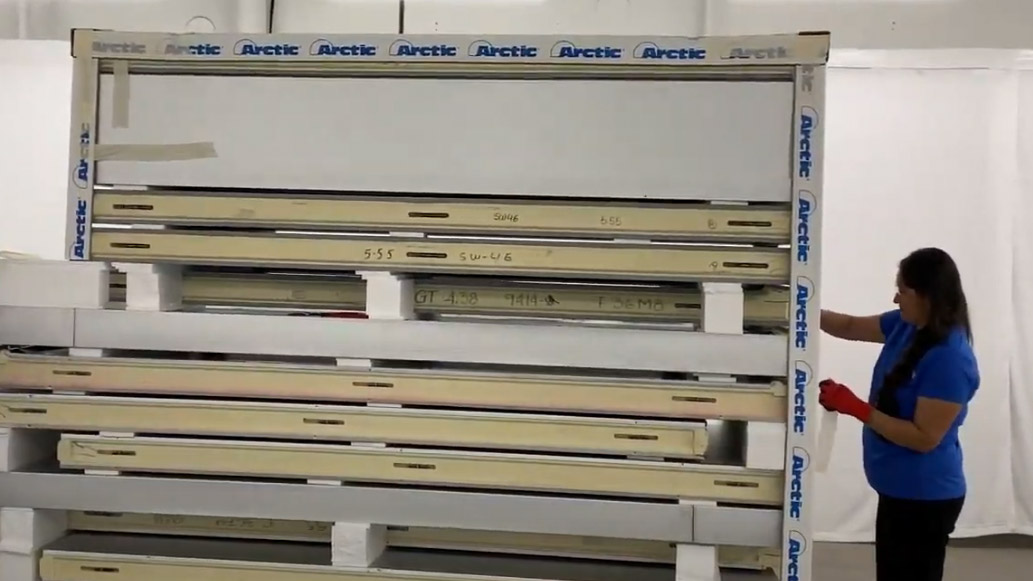
What Are Walk-In Cooler Panels Made Of?
Walk-in coolers and their panels play a crucial role in preserving food, flowers, beverages, and even scientific samples. Whether you’re a business...
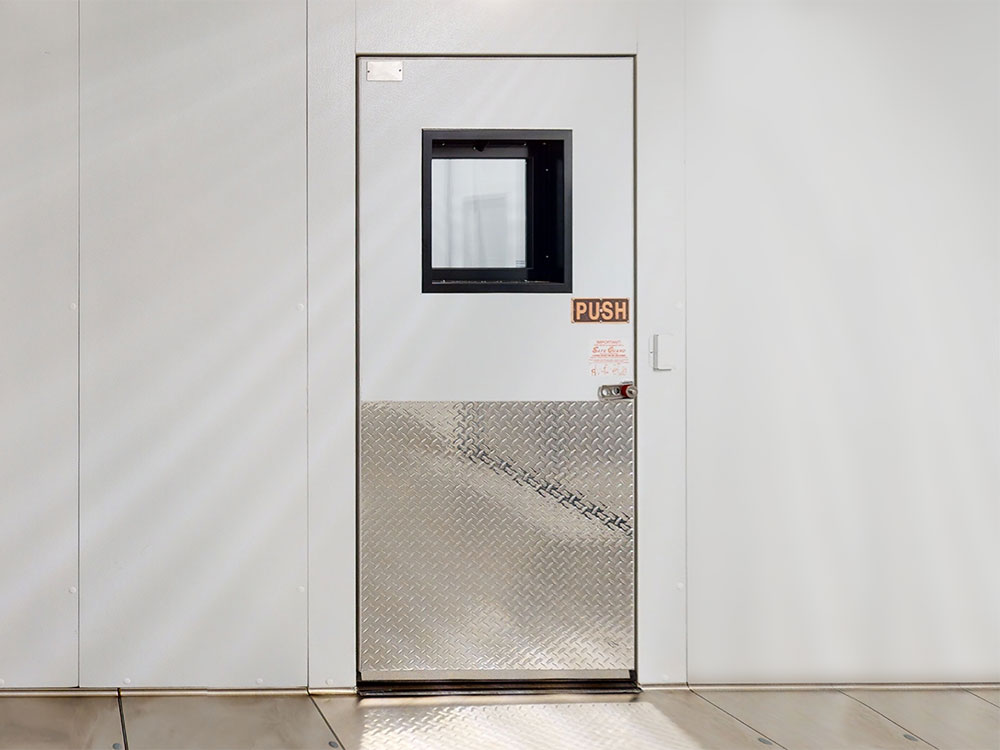
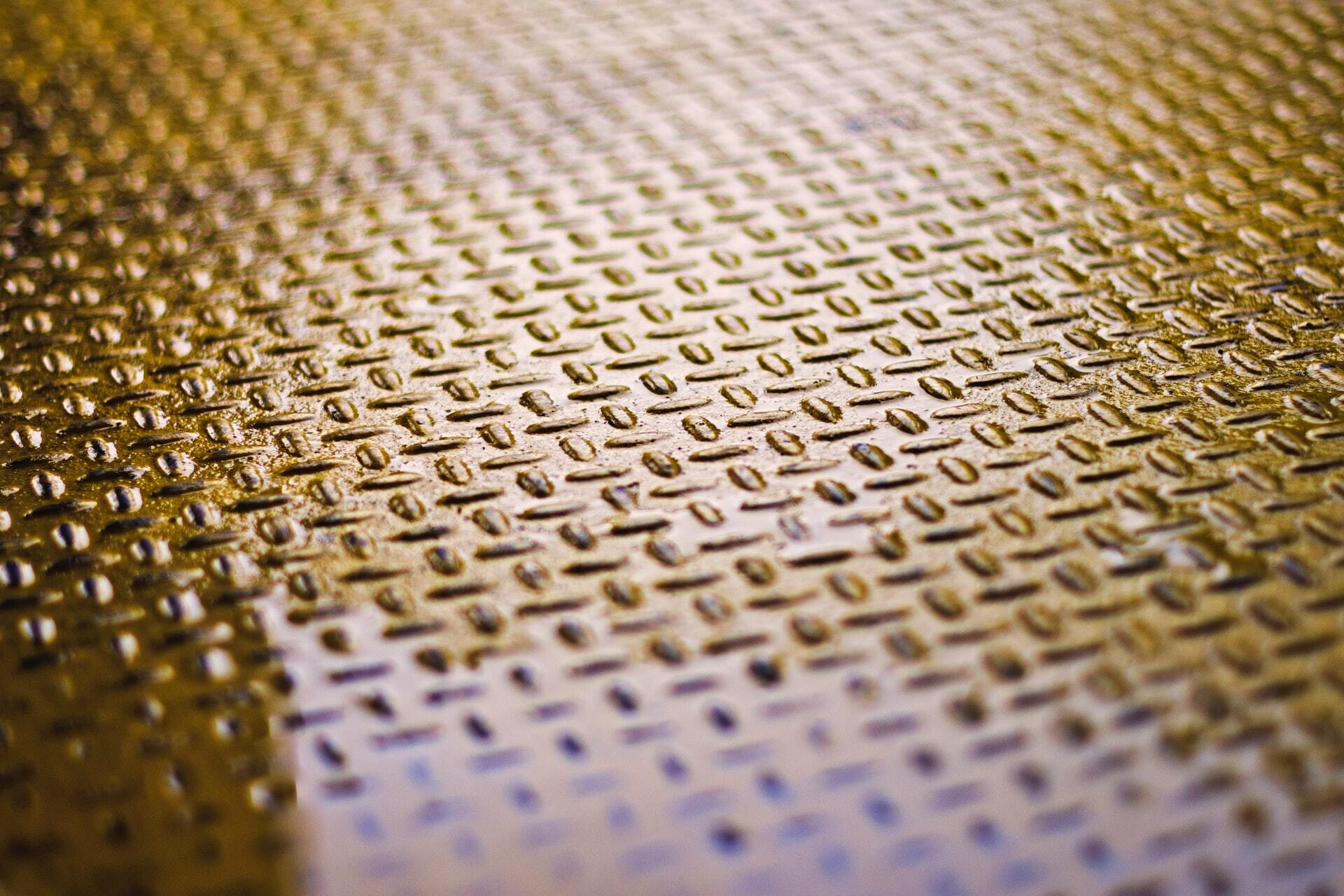
Diamond plates are highly durable metal sheets with a textured, raised diamond pattern that provides extra traction. This design makes diamond plates an incredibly practical choice for a range of applications, from industrial to commercial settings. When selecting a diamond plate, it’s essential to consider the material, weight, and appearance to ensure the right fit for your project. Here, we provide an overview to help you make an informed choice.
Diamond plates, also called tread plates or checkered plates, are metal sheets with a raised diamond pattern for added grip and slip resistance. This anti-slip texture makes them popular for surfaces like floors, ramps, catwalks, work platforms, and stairways. Industries that prioritize safety, such as emergency services, often use diamond plates on ambulance floors or fire truck steps. Overall, diamond plates are ideal for any sector where safe movement and cleanliness are essential.
The production of diamond plate starts with a source metal that is gradually thinned through rollers to achieve the desired thickness. In the final stages, rollers embossed with a diamond pattern press the texture onto the plate. For softer metals like aluminum, stamping can be done at room temperature, while steel requires heating to reach its recrystallization point, allowing the hot rollers to imprint the pattern effectively.
Diamond plates, available in various metals and thicknesses, offer durability and slip resistance for a wide range of applications. Common materials for diamond plate tread (DPT) include mild steel, stainless steel, and aluminum, with some options also available in plastic and rubber for added traction. Below, we cover the strengths of each material, making it easier to choose the best one for your needs.
Aluminum is one of the most popular materials for diamond plates due to its lightweight, corrosion-resistant properties and versatility for both indoor and outdoor use. Aluminum plates are a great choice for walk-in refrigerators, freezers, and applications like wainscoting, as they are easily stamped into various patterns, offering both functionality and style.
Steel diamond plates are generally the most affordable option. Their flexibility and durability depend on the level of carbon content, with milder steel providing ease of handling but slightly less durability. Highly carbonized steel is more durable and suited for heavy-duty applications but can be challenging to shape. However, due to rust concerns, steel diamond plates are best used indoors or in controlled environments.
The most durable and corrosion-resistant, stainless steel diamond plates combine the anti-corrosion benefits of aluminum with the strength of steel. This premium choice is ideal for outdoor or heavy-duty applications, such as floors where kegs or other heavy items are moved regularly. Stainless steel is reliable for long-term use, even in demanding conditions.
Stainless steel’s corrosion resistance is due to its chromium content. Unlike iron, which rusts when exposed to air and moisture, chromium forms a thin oxide layer that protects the material underneath. This unique quality makes stainless steel a top choice in environments where rust prevention and longevity are essential.
Diamond plate thickness is measured in gauge, which varies by metal. The chart below outlines gauge conversions for mild steel, stainless steel, and aluminum:
| Gauge | Mild Steel Thickness | Stainless Steel Thickness | Aluminum Thickness |
| 22 | 0.029 | 0.031 | 0.025 |
| 20 | 0.036 | 0.037 | 0.032 |
| 18 | 0.048 | 0.050 | 0.040 |
| 16 | 0.060 | 0.062 | 0.051 |
| 14 | 0.075 | 0.078 | 0.064 |
| 12 | 0.105 | 0.109 | 0.081 |
| 10 | 0.134 | 0.141 | 0.102 |
| 8 | 0.164 | 0.172 | 0.128 |
Diamond plates are especially beneficial for walk-in coolers and freezers, providing structural integrity, slip resistance, and durability. Depending on your industry and specific use case, diamond plate tread can be a practical choice for high-traffic flooring, wainscoting, or protective surfaces. For example, food service, medical, and industrial settings each have unique needs for durability and cleanliness.
With Arctic Industries, you can fully customize your walk-in cooler or freezer, from dimensions and color to a diamond plate finish tailored to your specific requirements.
1 min read
Walk-in coolers and their panels play a crucial role in preserving food, flowers, beverages, and even scientific samples. Whether you’re a business...
1 min read
When it comes to cold storage solutions, choosing the right walk-in door is critical for efficiency, durability, and performance. Whether you’re...

1 min read
Table of Contents Introduction Key Initial Considerations for Your Walk-In Cooler Refrigeration Usage Space Requirements Location Walk-In...