1 min read
Why Panel Quality Is the Foundation of Walk-In Performance
When people think about walk-in coolers and freezers, they usually focus on the refrigeration system. It’s understandable since you hear it, you see...
1 min read
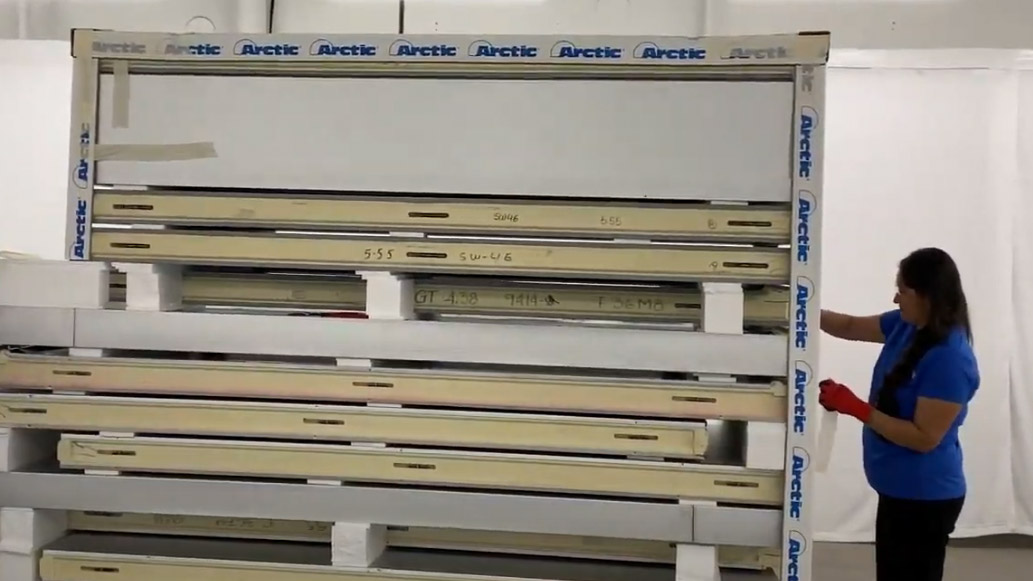
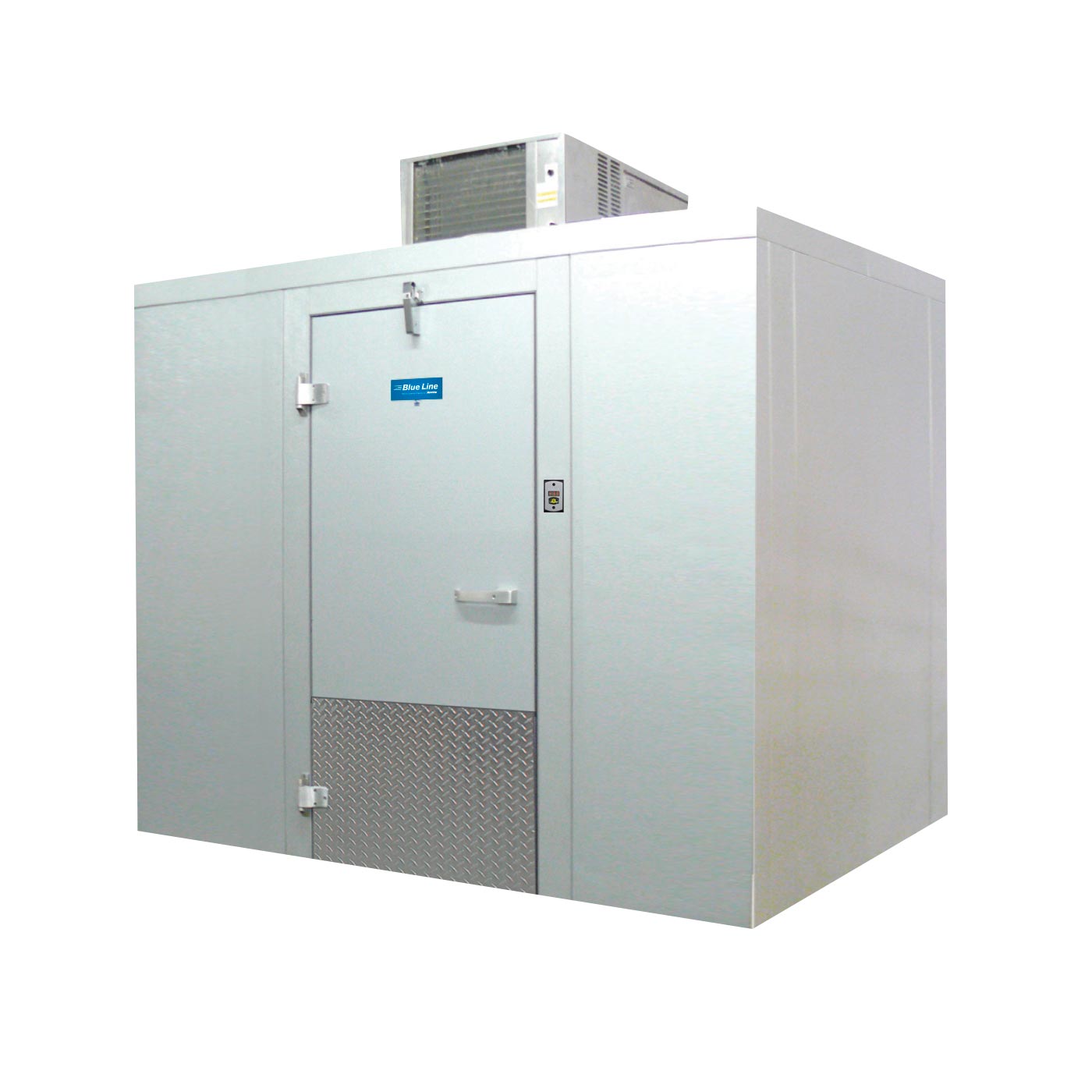
Walk-in coolers and their panels play a crucial role in preserving food, flowers, beverages, and even scientific samples. Whether you’re a business owner, a farmer, or someone considering adding a walk-in cooler to your home, understanding the materials that make up walk-in cooler panels can help you make informed decisions.
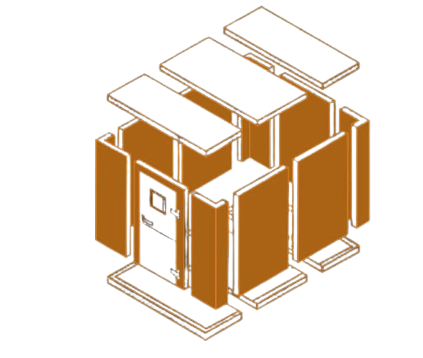
These panels are the backbone of any walk-in cooler, ensuring consistent temperatures and energy efficiency. Let’s explore what walk-in cooler panels are made of, how they work, and why insulation matters.
Walk-in cooler panels consist of a metal exterior, known as the “skin,” surrounding a thick layer of insulation. Commonly used metals include:
The insulation sandwiched between the metal layers is usually high-density foam, which is essential for maintaining a consistent temperature. Most panels have insulation about 4 inches thick, designed to minimize temperature loss and maximize efficiency. Without these panels, walk-in coolers wouldn’t be able to maintain their cold environments.
In earlier designs, wooden rails were used around the panels, but modern construction methods favor all-foam designs, which are more efficient and durable.
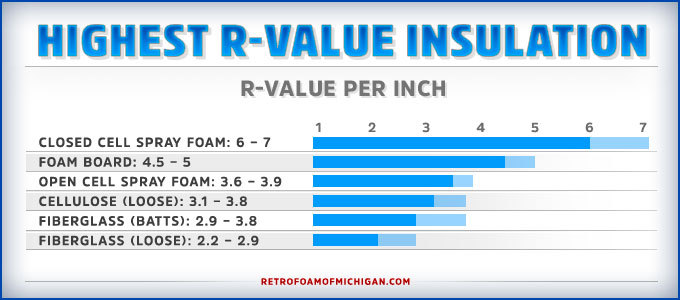
When it comes to walk-in coolers, insulation quality is key. The efficiency of insulation is measured by its R-value, which indicates how well the material resists heat transfer. A higher R-value means better insulation and greater energy efficiency.
The most common insulation material for walk-in cooler panels is foam-in polyurethane. Its high R-value and versatility make it an excellent choice. Polyurethane, a type of plastic, is created through a chemical process involving polyols and diisocyanates, making it adaptable for various applications.
In addition to walk-in cooler panels, polyurethane is used in everyday items like mattresses, roller-blade wheels, and even paint. Its durability and moldability make it an indispensable material in many industries.
While panels are a critical component of walk-in coolers, there are other factors to consider when selecting the right unit for your needs. These include:
Careful research and thoughtful planning will ensure you choose a walk-in cooler that meets your specific requirements, whether for home or business use.
1 min read
When people think about walk-in coolers and freezers, they usually focus on the refrigeration system. It’s understandable since you hear it, you see...

1 min read
Proper food storage isn’t just good practice in K–12 schools. It’s a critical responsibility that protects student health, keeps your meal programs...
1 min read
Regular maintenance checks on your walk-in cooler are key to avoiding costly repairs and ensuring its long-term efficiency. With proactive checks and...