1 min read
Top Walk-In Freezer Maintenance Mistakes to Avoid for Optimal Performance
Maintaining your walk-in freezer properly is essential to ensure longevity and efficiency. To help prevent costly breakdowns and maintain a reliable...
3 min read
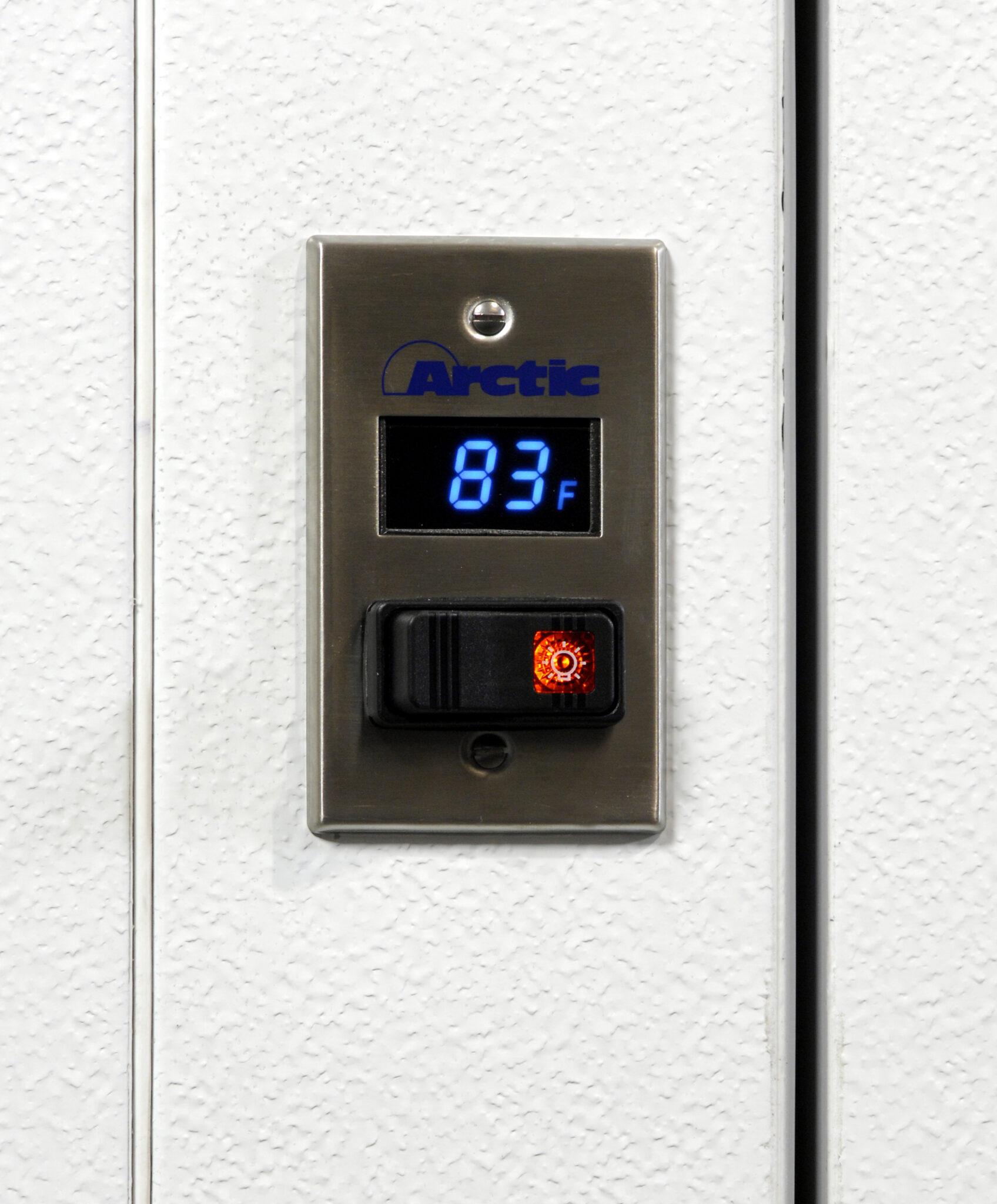
The temperature of your walk-in cooler or freezer is critical to maintaining product quality and safety. Whether you’re storing perishable food, medical supplies, flowers, or mortuary items, an incorrect temperature can result in spoiled products, costly losses, or even legal complications. Different applications may require different temperature settings, so let’s explore how to find the ideal temperature for your specific needs and industry.
The first step in determining the ideal temperature is knowing whether you’re working with a walk-in cooler or a walk-in freezer. Each type has specific requirements depending on the nature of the products you’re storing. While the general ranges we’ll discuss are solid starting points, certain industries demand more precise temperature control.
For most commercial applications, the ideal temperature for a walk-in cooler is between 35°F and 38°F. According to the FDA, food must be kept below 40°F to prevent spoilage and comply with health codes. However, different industries may require a slightly different range based on the products being stored:
Takeaway: While the general advice is to keep your walk-in cooler at 35°F, always check specific guidelines for the items you’re storing to ensure compliance with industry standards.
The ideal temperature for a walk-in freezer depends on the types of items you’re freezing. Generally, frozen food should be stored between 0°F and -10°F, but there are exceptions based on the product and industry:
Takeaway: For general use, keep your walk-in freezer at -10°F, but always refer to product-specific guidelines for optimal storage.
Once you’ve set the temperature for your walk-in cooler or freezer, keeping it consistent is key. Here are some best practices to ensure that temperature fluctuations don’t compromise your inventory.
Walk-ins, especially in commercial settings like restaurants and grocery stores, experience a lot of door traffic. Frequent openings cause temperature fluctuations that can shorten product lifespan and increase energy costs. Installing plastic curtains can help maintain temperature even during high-traffic periods. For medical and floral industries, this is especially important, as even slight temperature variations can ruin sensitive products.
Tip: Educate staff on keeping doors closed and minimize unnecessary trips in and out of the walk-in.
The built-in thermometer on most walk-ins can be inaccurate by as much as 2 to 5 degrees. For more precision, use an NSF-approved thermometer inside the unit, placed in a neutral location. Make a habit of checking the product temperature directly for a more accurate reading.
Tip: Install a backup thermometer and log temperature readings regularly to stay ahead of potential issues.
Sometimes, temperature changes can be misleading, especially after periods of heavy use. If your thermometer shows a significant drop or spike, close the door and wait 10 minutes before rechecking the temperature to ensure the reading isn’t affected by recent activity.
Tip: False alarms can often be avoided by tracking temperature trends rather than reacting to individual readings.
Routine maintenance can prevent unexpected breakdowns that cause temperature fluctuations. Here are key areas to inspect regularly:
Tip: Schedule quarterly professional maintenance checks to ensure everything runs smoothly.
To determine the ideal temperature for your walk-in, start by understanding the products you’re storing.
Maintaining the right temperature and practicing good upkeep will help ensure product longevity and energy efficiency in both commercial and residential settings. Contact Arctic for more information.
1 min read
Maintaining your walk-in freezer properly is essential to ensure longevity and efficiency. To help prevent costly breakdowns and maintain a reliable...
1 min read
Table of Contents Introduction Key Initial Considerations for Your Walk-In Cooler Refrigeration Usage Space Requirements Location Walk-In...
1 min read
Adding ramps to your walk-in cooler or freezer, whether interior or exterior, can enhance accessibility, especially when you’re frequently moving...