When a school needs more refrigerated storage, the first question is simple: where do we start?
Maybe the kitchen has outgrown its current cooler, or the existing equipment could be aging, unreliable, or difficult for staff to use during busy prep windows.
A school walk-in cooler affects more than storage capacity. It can shape receiving, prep, inventory organization, staff access, and daily food service routines. Before comparing sizes or requesting quotes, schools need to know what the cooler has to support.
Here are the steps school nutrition teams should take when planning a walk-in cooler for a cafeteria, kitchen, or district food service program.
1. Start With the Food Service Need
Begin with the food service program, not the product catalog.
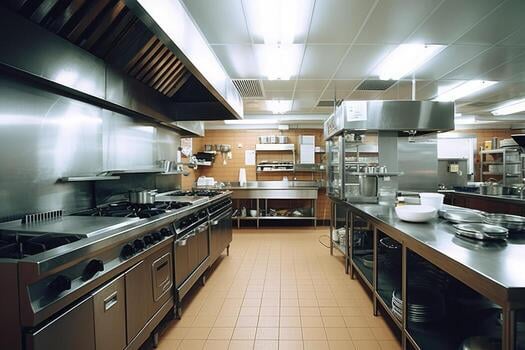
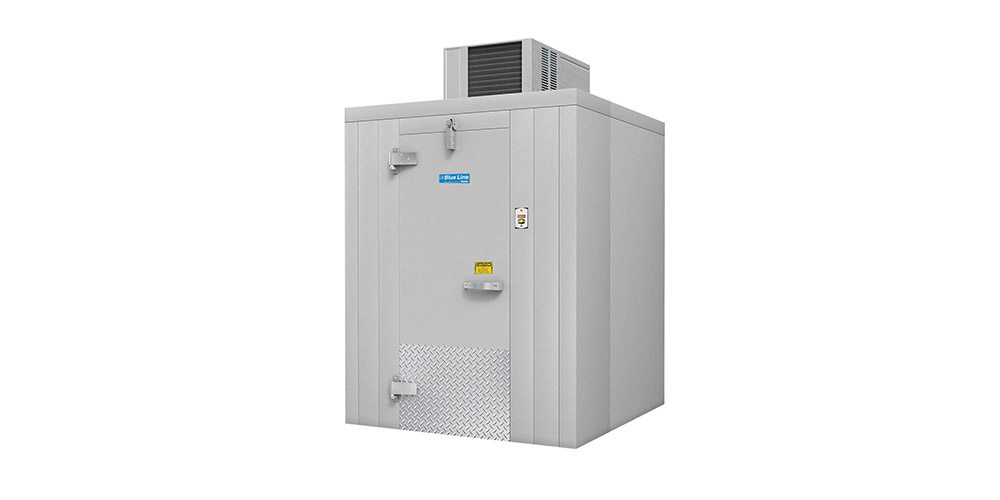
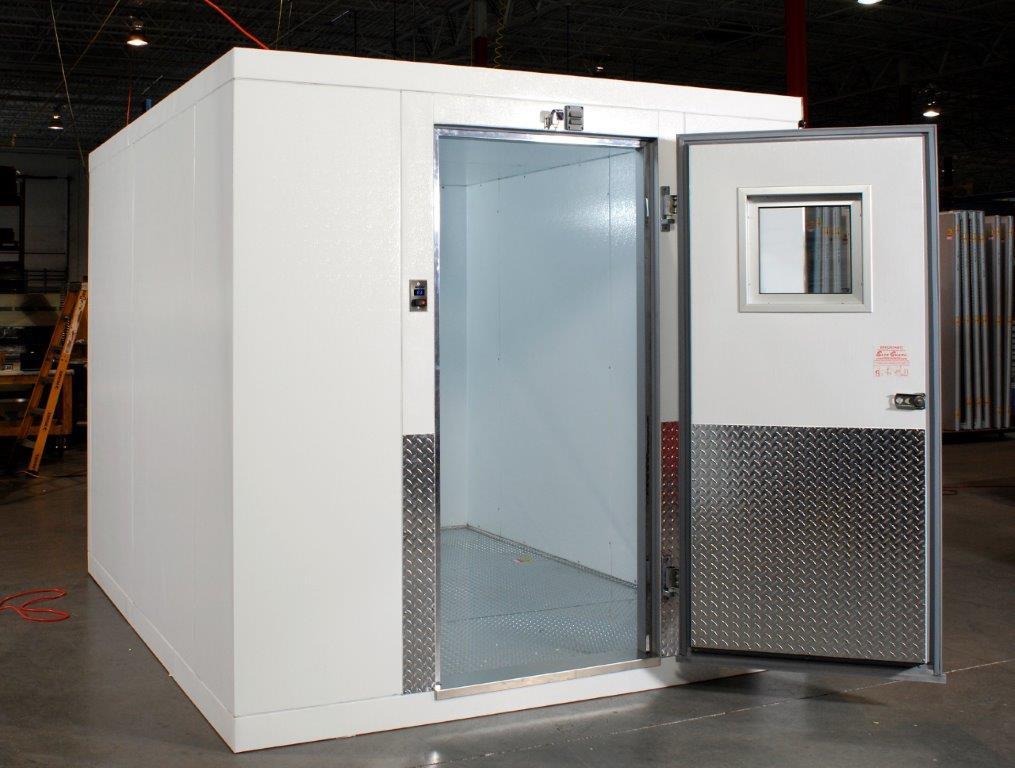
A walk-in cooler for schools should be planned around how the kitchen operates. A small school kitchen, high-volume cafeteria, central kitchen, or district storage site may each need a different setup.
Start by identifying the current problem. Ask questions like:
- Is the kitchen short on cold storage?
- Is the cooler hard to organize?
- Are deliveries creating overflow?
- How reliable is the existing system?
Meal volume also matters. A school that supports breakfast, lunch, after-school meals, summer programs, or special events may need more storage flexibility than a kitchen with a simpler daily menu.
Once the food service need is clear, it becomes easier to discuss cooler size, layout, access, and placement.
2. Understand What Will Be Stored
The right school walk-in cooler depends on what goes inside it.
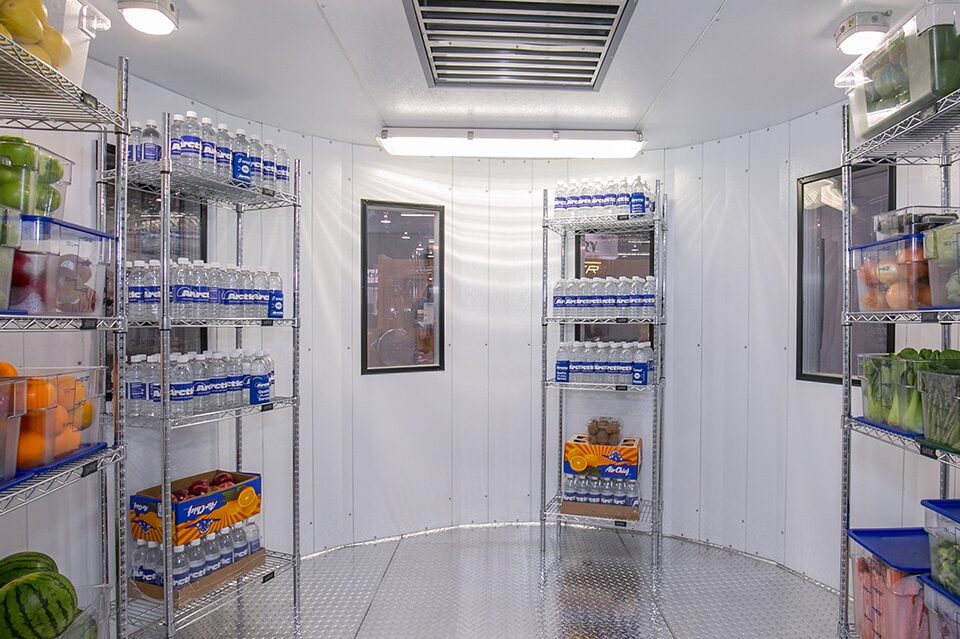
School kitchens may need space for produce, dairy, prepared foods, beverages, bulk ingredients, packaged meals, or delivered items. Each product type affects how the cooler should be organized.
Packaging also changes the usable space. Cases, trays, carts, racks, bins, and shelving can all reduce the amount of open storage inside the box. A cooler that looks large enough by square footage may feel crowded once staff need room to move and access inventory.
Plan around peak storage, not just average use. Delivery schedules, menu changes, seasonal programs, and district purchasing patterns can all affect how much refrigerated space the school needs at one time.
A good starting point is to list the products that take up the most room today and the items staff has the hardest time storing or reaching.
[Get The Ultimate Guide to Buying a Walk-In]3. Review the Existing Space
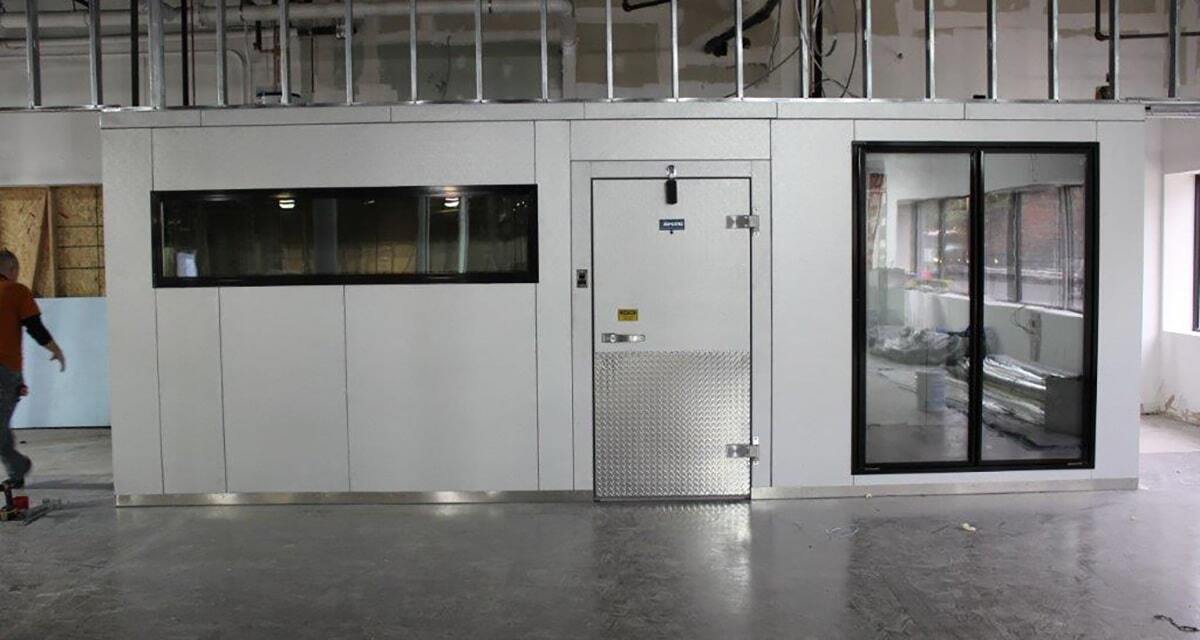
After defining the food service need, review potential locations for the walk-in cooler.
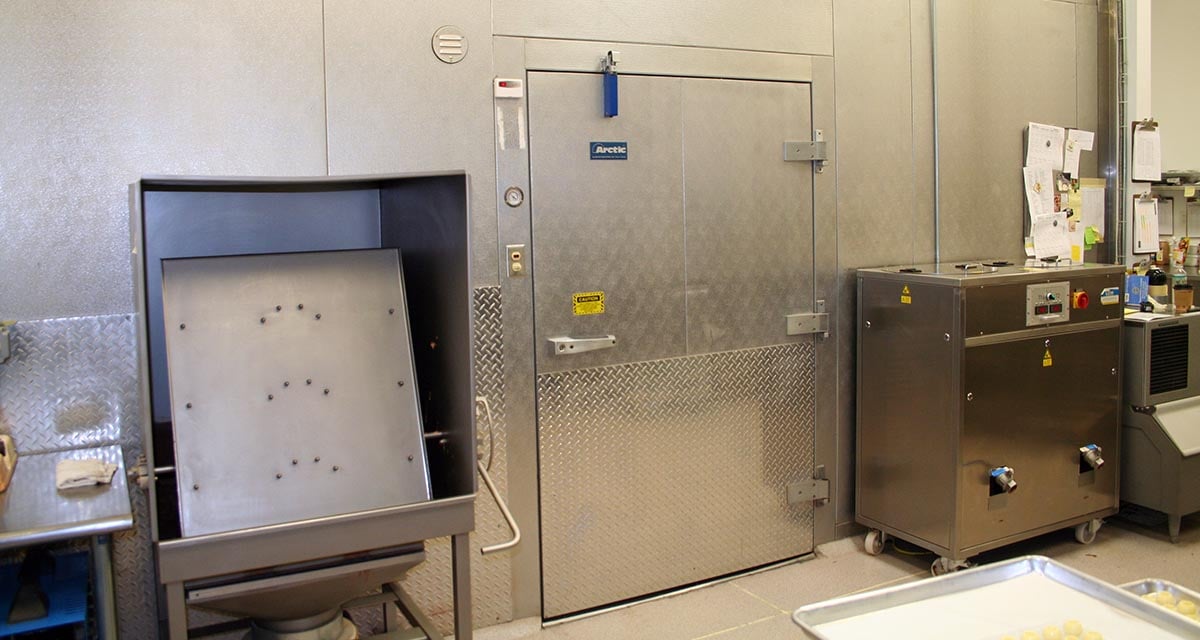
Schools often have to work within existing buildings, older kitchens, tight back-of-house areas, or fixed delivery routes. The available space may affect the cooler’s size, door placement, and installation options.
Consider how close the cooler should be to receiving, prep, dry storage, serving areas, or loading access. A cooler placed too far from daily work areas can add extra steps for staff and slow down routine tasks.
Facilities teams should be involved early. They can help review site conditions such as available space, access paths, electrical needs, exterior placement, and building constraints.
Photos, rough measurements, and notes about the current kitchen layout can make the first conversation with a walk-in cooler specialist much more productive.
4. Think Through Daily Workflow
A school walk-in cooler should fit the way staff uses the kitchen each day.
Start with receiving. How do deliveries arrive? Where are items checked in? How far does staff need to move refrigerated products before they reach the cooler?
Then look at prep and service. Staff may need quick access to produce, dairy, prepared foods, or packaged meals during busy parts of the day. If the cooler is hard to reach, crowded, or poorly organized, it can slow the team down even when the unit has enough total space.
Door placement, aisle space, shelving, and cart access all affect daily use. A school kitchen may also need room for more than one person to enter safely during peak prep times.
A good layout should reduce extra steps, keep inventory easier to find, and support the food service team during its busiest hours.
5. Identify the Right Stakeholders Early
A school walk-in cooler project often involves more than the food service team.
School nutrition leaders understand the daily storage needs. Kitchen staff understand access and workflow. Facilities or maintenance teams understand the building, utilities, and site conditions. Purchasing, finance, or district administrators may need to review budget, timing, and approval requirements.
Bringing the right people into the conversation early can help avoid delays later. It can also prevent a project from moving forward based on one set of needs while missing another.
For larger projects, a school may also involve an architect, consultant, contractor, or design-build partner. In those cases, the food service team should still document how the cooler will be used each day.
The best starting point is shared clarity: what the kitchen needs, what the building can support, and what the school must approve.
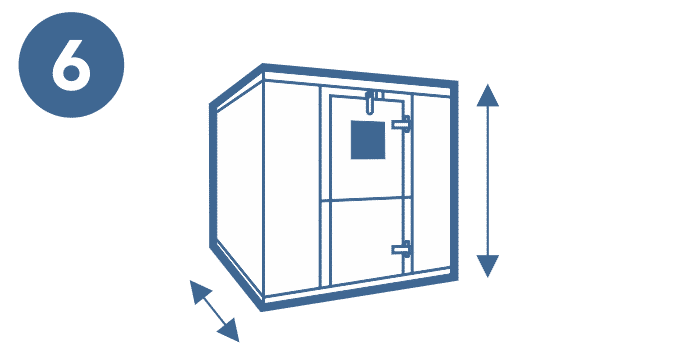
6. Decide What Information to Bring to a Specialist
A school does not need every technical detail before speaking with a walk-in cooler specialist. A few practical details can make the first conversation much more useful.
Helpful information includes:
- The current cold storage problem
- Types of food stored
- Approximate peak storage volume
- Delivery schedule
- Preferred cooler location
- Indoor or outdoor placement
- Photos or rough measurements of the space
- Door, cart, shelving, or rack needs
- Project timing or budget cycle
- Key stakeholders involved
This information helps a specialist understand the school’s food service operation before discussing size, layout, and configuration.
[Holiday Break Prep: How Schools Can Protect Their Walk-In Coolers and Save Costs]A Simple First-Step Checklist for School Walk-In Coolers
Before requesting a quote, gather a few basic details about the school’s cold storage needs.
- What problem does the current refrigeration setup create?
- What foods need refrigerated storage?
- How much product must be stored during peak periods?
- How often do deliveries arrive?
- How will staff move product in and out?
- Who needs to review or approve the project?
- What timeline or budget cycle should the project follow?
- Are photos or rough measurements available?
Schools do not need every answer at the start. A clear snapshot of the food service need, available space, and daily workflow can help move the planning process forward.
How Arctic Can Help Schools Plan the Right Walk-In Cooler
Arctic can help school nutrition teams turn early questions into a clearer walk-in cooler plan.
That conversation may include cooler size, storage volume, door placement, access needs, indoor or outdoor placement, and how the unit fits into the school’s kitchen or cafeteria workflow.
For schools that are unsure where to begin, the goal is to make the next step easier. Arctic can help review the application, discuss practical options, and guide the school toward a cooler configuration that supports daily food service needs.
Not sure what your school needs yet? Explore our Ultimate Guide to Buying a Walk-In or talk with an Arctic specialist about your walk-in cooler project.
School Walk-In Cooler FAQs
What size walk-in cooler does a school need?
The right size depends on meal volume, delivery schedule, product types, available space, and how staff access stored items. Schools should plan around peak storage needs, not only average daily use.
What should schools consider before buying a walk-in cooler?
Schools should consider food storage needs, kitchen workflow, installation space, delivery access, stakeholder approvals, and whether the cooler will be installed indoors or outdoors.
Who should be involved in planning a school walk-in cooler?
School nutrition, kitchen staff, facilities, purchasing, finance, and district leadership may all need to be involved. Larger projects may also include a contractor, consultant, or architect.
Can a school install a walk-in cooler outdoors?
Outdoor placement may be an option, depending on the site, access needs, building layout, and equipment requirements. A specialist can help review whether indoor or outdoor placement makes more sense.
When should a school talk to a walk-in cooler specialist?
Schools should talk to a specialist once they understand the basic storage need, even if they do not have final measurements or specifications. An early conversation can help clarify size, layout, placement, and next steps.